
Ants After the Rain: Why You’re Seeing More Indoors (Pacific Northwest Edition)
If you live in the Pacific Northwest, you already know one thing: when the rain starts, it doesn’t really stop. And while we may tolerate the drizzle, ants see heavy rain as a relocation notice. When soil becomes saturated, ant colonies don’t just sit in flooded tunnels and hope for the best. They move. And unfortunately, your warm, dry home can look like prime real estate. Here at At Ease Pest Solution, we see a noticeable spike in indoor ant activity during wet months — especially in Western Washington. Let’s break down why it happens and what you can do about it.
At Ease Pest Solution
2/13/20263 min read
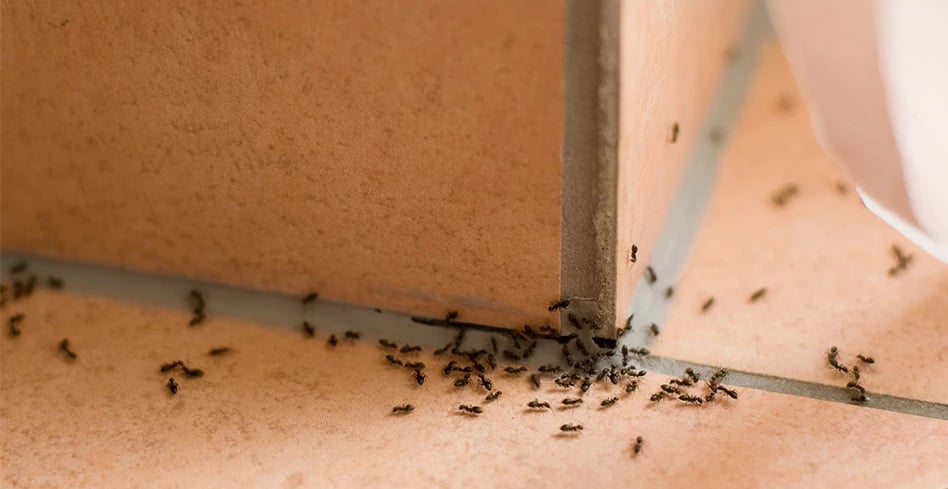
If you live in the Pacific Northwest, you already know one thing: when the rain starts, it doesn’t really stop. And while we may tolerate the drizzle, ants see heavy rain as a relocation notice.
When soil becomes saturated, ant colonies don’t just sit in flooded tunnels and hope for the best. They move. And unfortunately, your warm, dry home can look like prime real estate.
Here at At Ease Pest Solution, we see a noticeable spike in indoor ant activity during wet months — especially in Western Washington.
Let’s break down why it happens and what you can do about it.
Why Rain Drives Ants Indoors
Ants typically nest in soil, under rocks, beneath patios, or inside wood structures. But when:
Soil becomes waterlogged
Underground tunnels collapse
Food sources wash away
Colonies are forced to relocate quickly.
Your home offers:
Dry shelter
Stable temperatures
Easy access to food
Hidden voids inside walls
To an ant colony, that’s basically a five-star resort.
Not All Ants Are the Same (Especially in the PNW)
In the Pacific Northwest, we commonly see two categories:
1. Nuisance Ants
These are the ants trailing across your kitchen counter or near the sink. They’re usually searching for food or water.
Signs you’ll notice:
Visible trails along baseboards
Activity near sinks or pet bowls
Increased activity after heavy rain
They’re annoying — but manageable if caught early.
2. Carpenter Ants (The Bigger Concern)
Carpenter ants are a different story.
They don’t eat wood like termites, but they tunnel through damp or decaying wood to build nests. And guess what rain does? It softens wood and increases moisture — making it easier to excavate.
Signs of carpenter ants include:
Small piles of sawdust-like material (called frass)
Rustling sounds inside walls
Winged swarmers indoors
Activity around damp siding or window frames
Over time, carpenter ants can cause structural damage if left untreated.
Why Moisture Is the Real Culprit
Rain alone isn’t the problem. It’s what rain creates:
Damp crawl spaces
Leaky windows or roofs
Rotted siding
Wet firewood stacked near the home
Carpenter ants are moisture hunters. Fix the moisture, and you remove their invitation.
How to Prevent Ants During Wet Months
Here are some simple but effective prevention steps:
Fix leaks promptly. Even small roof or plumbing leaks create ideal nesting conditions.
Replace rotted wood. Don’t let damp trim boards or siding linger.
Keep firewood away from the house. Store it at least 20 feet from your foundation.
Trim branches away from siding. Ants use tree limbs as bridges into your home.
Seal cracks and entry points. Ants can enter through the smallest gaps.
Schedule professional inspection, especially if you’ve had repeat issues after heavy rain.
Why DIY Sprays Often Don’t Work
When you spray visible ants, you’re only treating the workers — not the colony. And during wet weather, colonies may relocate deeper into walls or hidden voids.
Professional treatment targets the source, not just the symptom.
That’s where At Ease Pest Solution comes in. We don’t just treat what you see — we identify moisture issues, nesting areas, and long-term prevention strategies specific to Pacific Northwest homes.
A Quick Heads-Up for Next Month
While we’re talking about rain, keep an eye out for standing water around your home. Because when puddles hang around, guess who shows up next?
Mosquitoes.
We won’t go deep into that just yet (that’s next month’s blog), but here are two important facts:
Mosquitoes can breed in standing water in as little as 7 days.
They do not care that it’s “just a small puddle.”
And since we promised humor:
Joke #1:
Why don’t mosquitoes ever get invited to parties?
Because they’re real buzzkills.
Joke #2:
Why do mosquitoes love rainy weather in Washington?
Because it’s basically an all-you-can-eat buffet with built-in swimming pools.
Next month, we’ll focus entirely on mosquitoes — where they breed, how to prevent them, and what you can do before they turn your backyard into their personal airport.
So keep an eye out for next month’s blog from At Ease Pest Solution.
Stay Dry. Stay Protected.
Wet weather is part of life in the Pacific Northwest — but indoor ants don’t have to be.
If you’re seeing increased ant activity after heavy rain, or you suspect carpenter ants may be nesting in damp wood, it’s time to take action.
At Ease Pest Solution is here to help you protect your home year-round — rain or shine.
And remember: when the ants start marching, we’ll help you send them packing.